How to Choose the Best Matcha in Australia: A Quick Guide to Avoid Greenwashed Marketing
Share
If you’ve ever been unsure whether matcha brands are being totally honest, you’re not alone. With so many labels shouting “ceremonial grade” or “premium organic”, it’s easy to feel lost.
This short guide will show you exactly what to look for when choosing matcha in Australia—how to cut through the marketing hype, spot real quality, and pick matcha that delivers on taste, benefits, and integrity.
1. Why Greenwashing Is So Common in Matcha Shops
· There is no standardised regulation for matcha grades globally. Across Australia and elsewhere, brands can call matcha “ceremonial” without meeting consistent criteria.
· Terms like “ceremonial grade”, “premium”, “pinnacle” are often marketing labels, not legal standards. Some brands use them liberally to justify higher prices.
· Colour, texture, even flavour can be manipulated or degraded by poor handling, old harvests, additives or blending. You might pay more but get less.
2. Key Quality Markers to Check Before Buying Matcha
Here’s a checklist of factors that separate genuine quality matcha from marketing fluff.
-Grade & Leaf Selection
· True ceremonial grade matcha is made from young, shade-grown leaves (usually first harvest) and only the top buds + small leaves. Leaves lower on the plant or from later harvests tend to have more bitterness and less L-theanine.
· Culinary grade matcha uses older leaves; it’s fine for baking, lattes or smoothies—and often less costly. Know your purpose before paying for ceremonial.
-Colour, Aroma & Texture
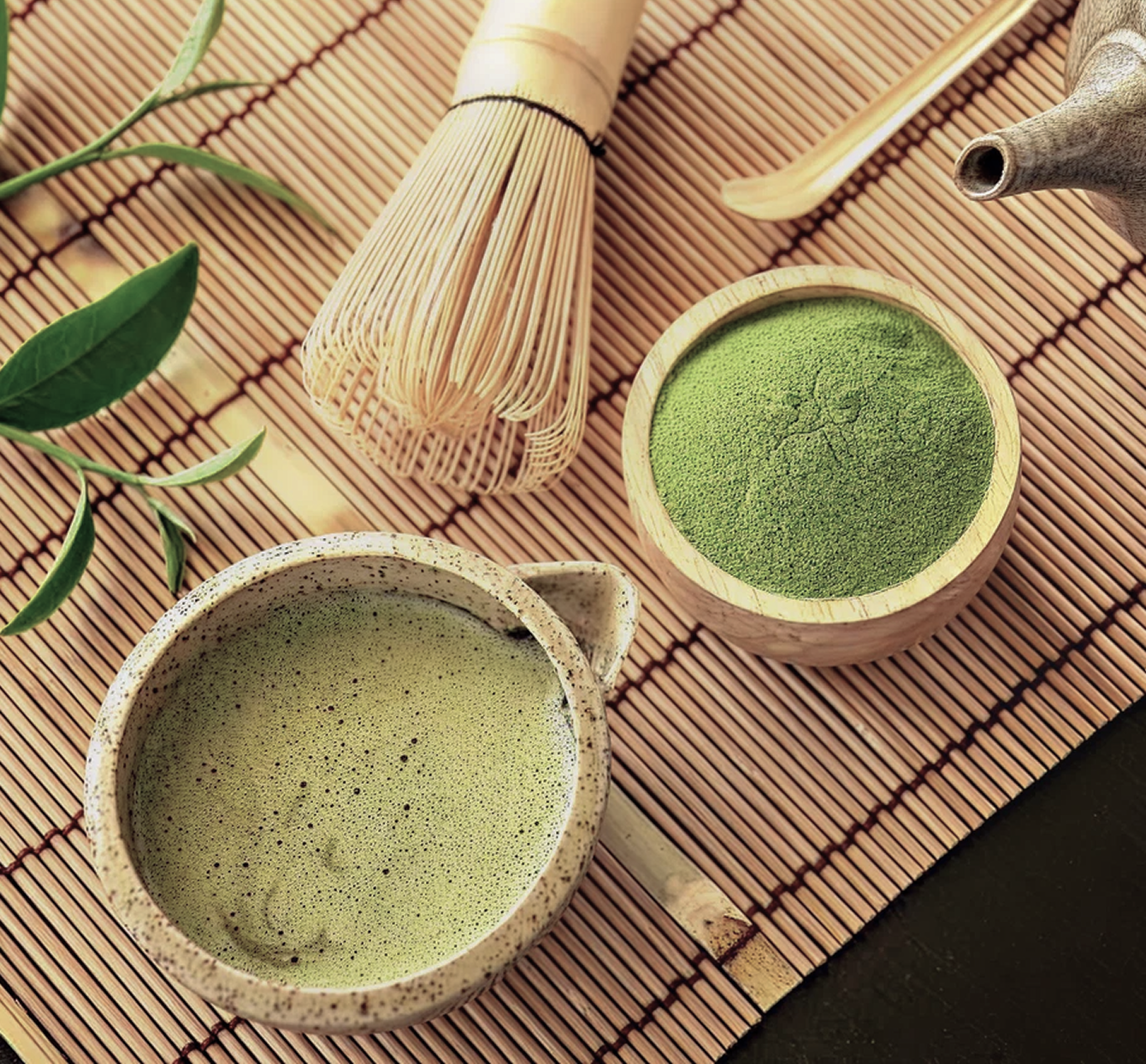
· Look for a bright, jade or emerald green colour. Dull, yellowish, or brown tones suggest oxidation, poor shade growing, or inferior leaf quality.
· Aroma should be fresh, grassy/vegetal with a hint of sweetness. A stale, musty, or overly “green-tea-bag” smell is a red flag.
· Texture should be very fine, smooth, velvet-like. If it’s coarse or gritty, you’re likely buying a lower grade or a blend.
-Certifications & Purity
· Organic certifications (e.g. ACO – Australian Certified Organic, etc.) mean no synthetic pesticides/fertilizers, better soil and plant health.
· Other quality certifications matter: HALAL, KOSHER, microbial safety (TPC or similar). These provide extra assurance of production standards and purity.
· Ensure the product is pure matcha powder only (no fillers, colourants, sweeteners). Ingredient list should simply say “green tea (shade-grown)” or “tencha powder”.
- Freshness & Packaging
· Best if harvested recently. Harvest date indicated? Yes → good sign.
· Packaging: airtight, opaque tins or sealed bags; protect from heat, light and moisture.
· Price: if it’s too cheap for something labelled as ceremonial, examine whether it’s really ceremonial or a lower grade in fancy packaging.
How to Ask the Right Questions (Before You Buy) & Why Soul Matcha Stands Out:
· What is the harvest date and from which harvest?
Our matcha is picked during the first spring harvest, when the youngest, most tender leaves are collected to ensure the highest L-theanine and antioxidant content. (Exact harvest month varies slightly each year depending on weather conditions in the tea region of China.)
· Was the tea shade-grown, and for how long?
Yes. The tea bushes are shade-grown for around 20 days before picking, which naturally boosts chlorophyll and amino acids for a vibrant green colour and smooth, umami taste.
· Which certifications does it carry? Ask to see proof.
Soul-Matcha is:
· Certified Organic
· HALAL certified
· KOSHER certified
· Backed by a Certificate of Analysis (COA) These documents can be provided on request.
· Are there lab tests (heavy metals, pesticide residues, microbial counts)?
Yes. As part of the organic certification (TC certificate), the matcha undergoes pesticide-residue and microbial testing.
Your Matcha Buying Checklist
Here’s a quick checklist you can use when shopping:
· Shade-grown, first-harvest leaves
· Vivid green colour
· Fine powder texture
· Sweet / umami flavour, minimal bitterness
· Clear origin information
· Organic + multi-certifications (HALAL, KOSHER, safety)
· Freshness indicators & good packaging
· Ingredient list = matcha only
Avoid Greenwashed Marketing
Choosing true, high-quality matcha in Australia doesn’t have to be confusing. When you know what markers to look for—and what marketing tricks to avoid—you can get ceremonial quality matcha that’s worth every sip.
Ready to make an informed choice?
Explore our 5A Ceremonial Matcha Collection with full transparency in harvest, certifications, origin, and flavour. Let every bowl reflect quality, purity, and real wellness.